
Why Watchfire
In the autumn of 1861, with the Republic splitting at its foundations, Julia Ward Howe traveled alongside her husband to visit the Union Army camps that ringed Washington, D.C. The capital was encircled by soldiers, volunteers, and citizens in arms, keeping watch over the seat of government throughout the night – so their democracy would survive until morning.
Howe was not a soldier. She was an abolitionist and a poet who would spend years fighting for the right to participate in the public life of the country she loved. In that moment, she had come to Washington as the wife of a director of the U.S. Sanitary Commission.
The night after witnessing the bravery of her fellow citizens, Howe was unable to sleep. She rose before dawn and wrote the Battle Hymn of the Republic, calling out the “watchfires of a hundred circling camps,” thus enshrining them in poetry that would define the Civil War for generations to come. She gave voice to the idea that the young Republic — with all its flaws — was worth defending.
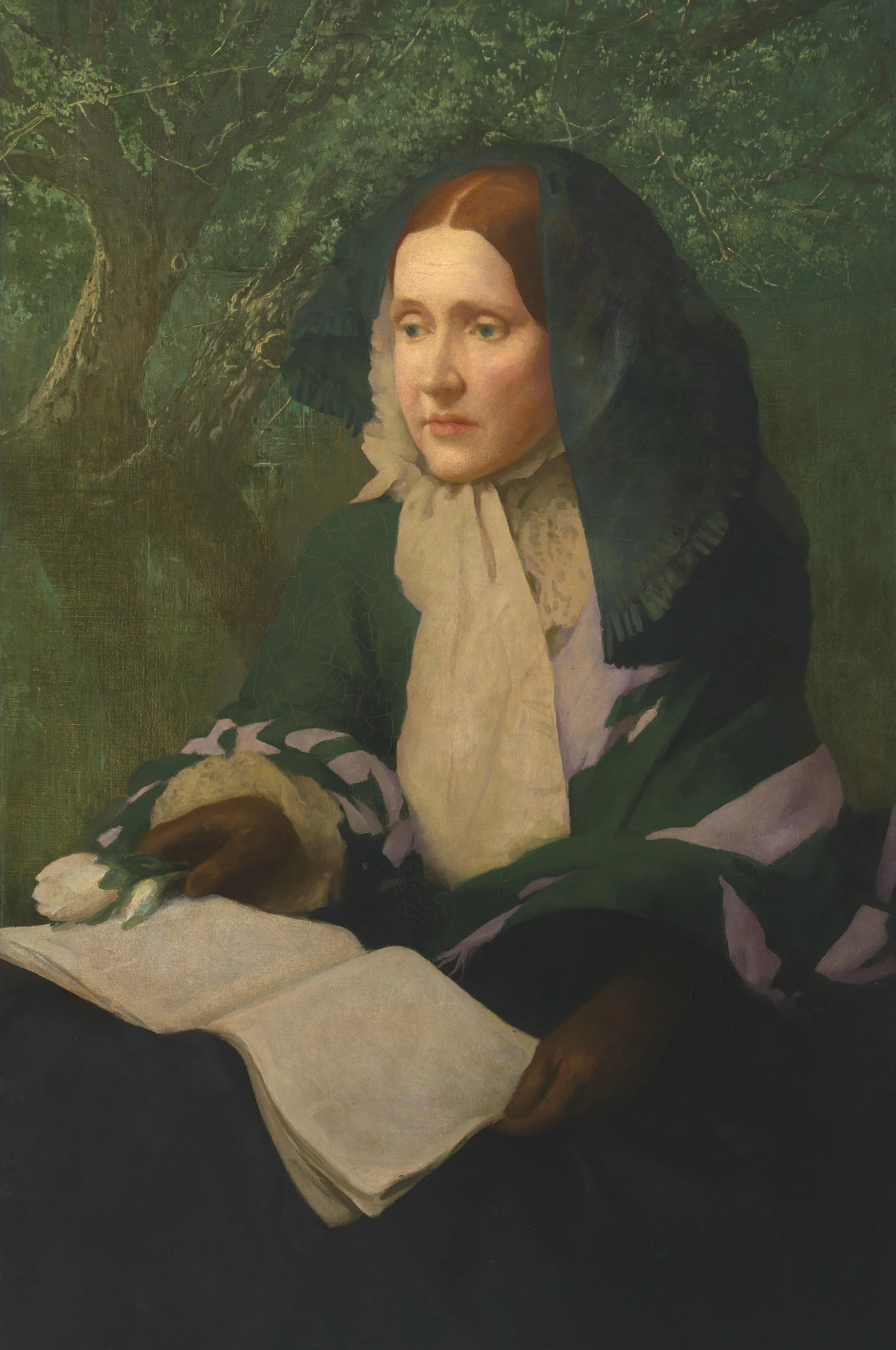
Julia Ward Howe (1819–1910), painted by John Elliott and William Henry Cotton. National Portrait Gallery, Smithsonian Institution; transfer from the Smithsonian American Art Museum; gift of Maud Howe Elliott to the Smithsonian Institution, 1933
Those watchfires signaled the vigilance of people who had put their lives at risk for democracy. They were not professional soldiers in the main — they were farmers, tradesmen, clerks – ordinary citizens who had answered the call to defend the Republic. They were keeping watch over something larger than themselves: an evolving nation.
Howe saw the watchfires as the physical expression of a moral commitment — the proof that people were willing to stay awake, to stand at the perimeter, to refuse to look away, to hold their ground, while others slept.
That is the tradition we inherit.
A watchfire carries a very specific set of obligations. It must be lit deliberately, by people who understand what they are doing. It must be maintained collectively, by a community whose members step up as others tire. It must remain visible to fulfill its purpose as a beacon to allies and a warning to adversaries. Most importantly, it must last in order to continuously deliver its message.
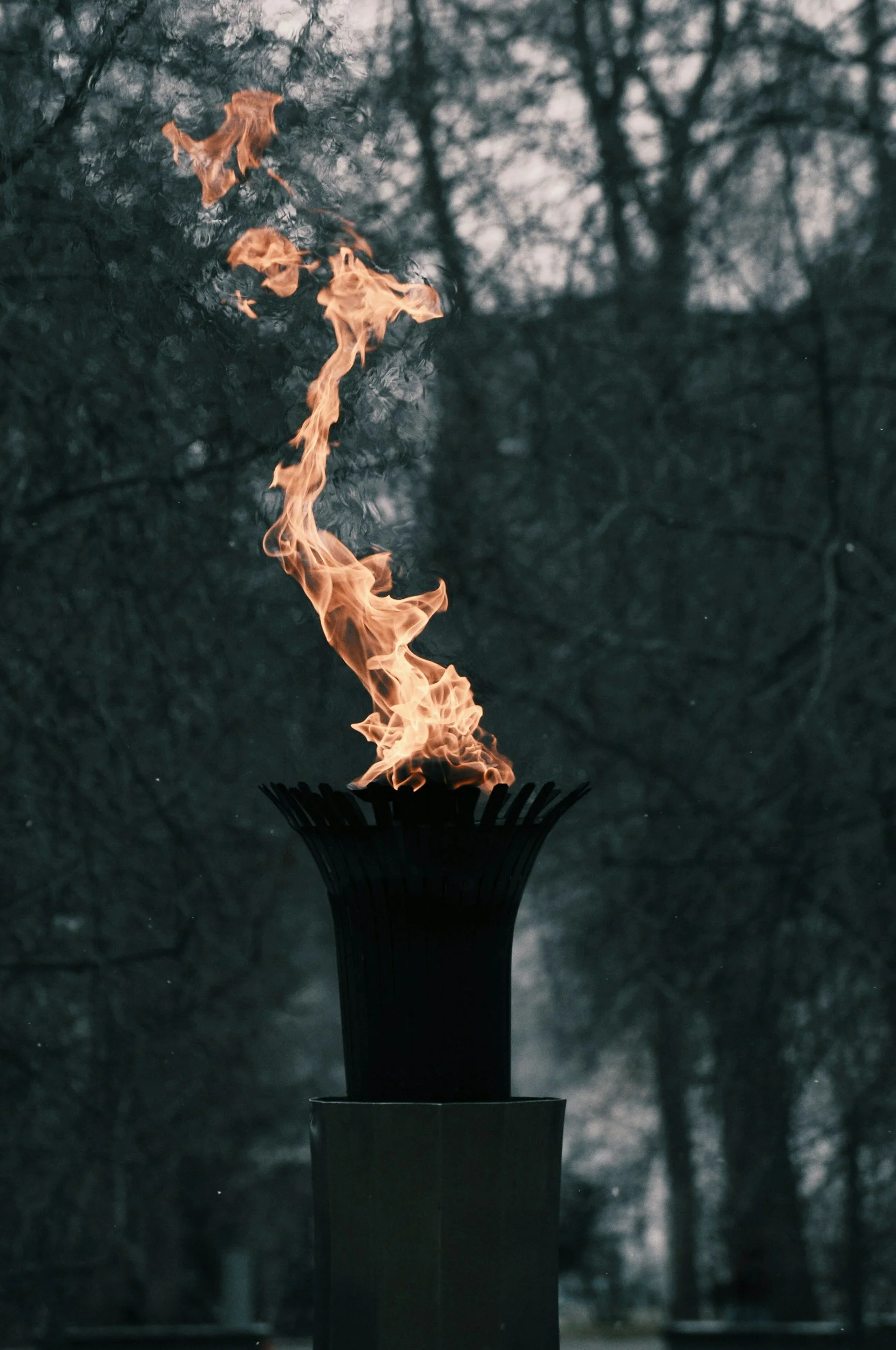
The national security experts within our community are dedicated to speaking truth to power, acting to uphold the security of our nation, continuing to stand for our values, and training the next generation. We light the watchfires – and we work to prevent them from burning society, or from going out.
We understand that fire can illuminate or destroy, that it can elevate civilizations or burn empires. The nature of the fire lies in how we choose to use it – as a beacon – and for that we look to the wisdom of our community. We share our collective knowledge, intellect, and creativity to find solutions to the problems that plague the people. We are committed to actionable policies that create the greatest safety and opportunities for everyone, not a select few. We will never all agree. But we will always live by our values.
Today, many fires are going out. The military leaders, diplomats, development experts, and civil servants who kept the watch are being pushed out of the institutions they helped to build. And if we’re honest, too many Americans have stopped believing our institutions work for them, partly because we stopped explaining why they once did. We’re not here to recreate what was. We’re building what comes next: security that starts in your community.
The watchfire represents our national security in all its forms. A strong defense. A functioning democracy. Diplomatic relationships that reduce conflict. Development investments that forestall desperation. Domestic resilience in every community that builds American resilience, nationwide. The watchfire is everyone's inheritance and everyone's responsibility. Light the path. Join the watch.